Sistemas de identidad seguros diseñados para respaldar la infraestructura nacional y las necesidades de autenticación empresarial.

Organice, gestione y aproveche la información crítica con herramientas diseñadas para el cumplimiento y el rendimiento.

Proteja los ecosistemas digitales con capas de defensa avanzadas, monitorización de amenazas y mitigación de riesgos dirigida por expertos.

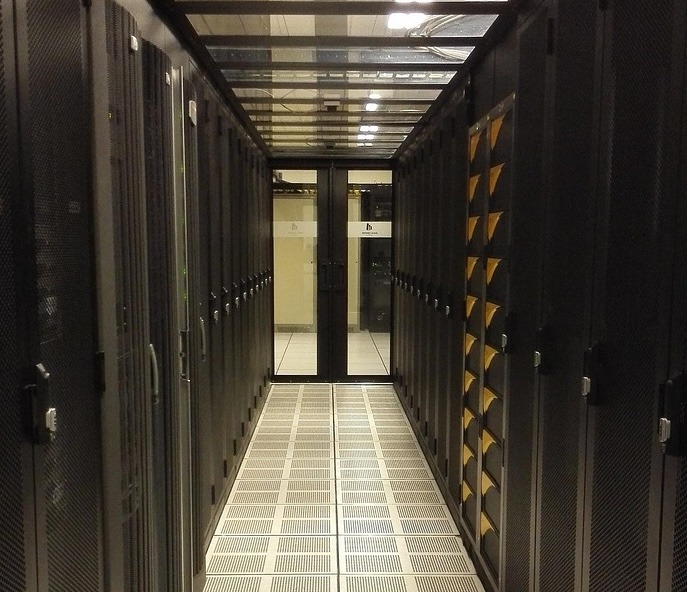
Sistemas de identidad seguros diseñados para respaldar la infraestructura nacional y las necesidades de autenticación empresarial.

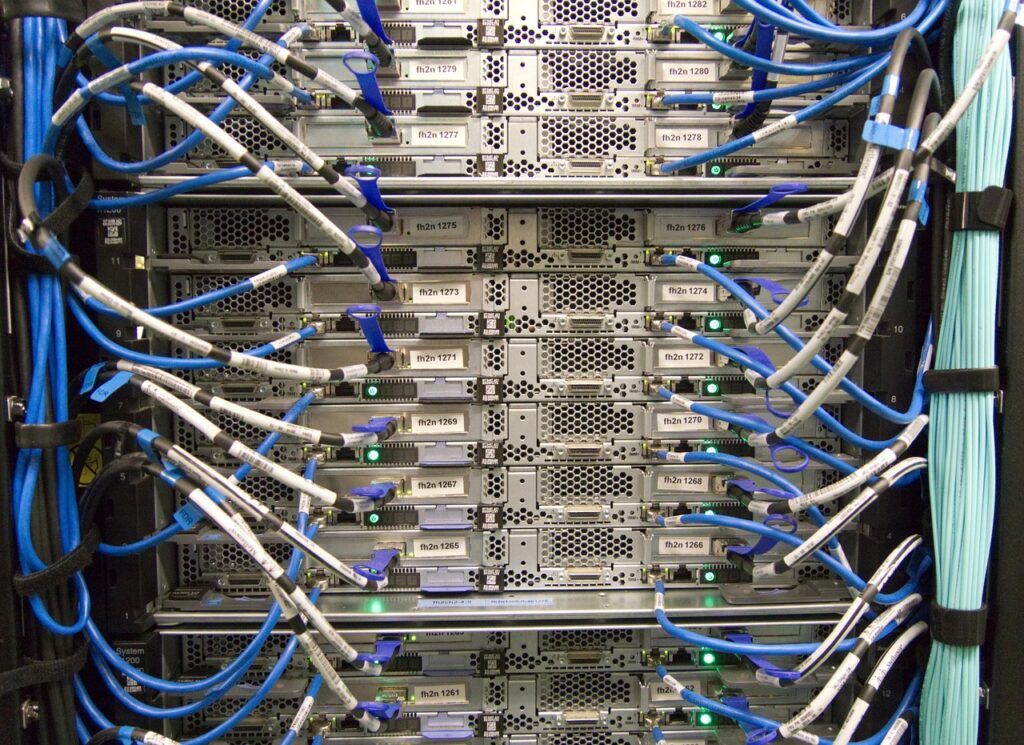
Organice, gestione y aproveche la información crítica con herramientas diseñadas para el cumplimiento y el rendimiento.

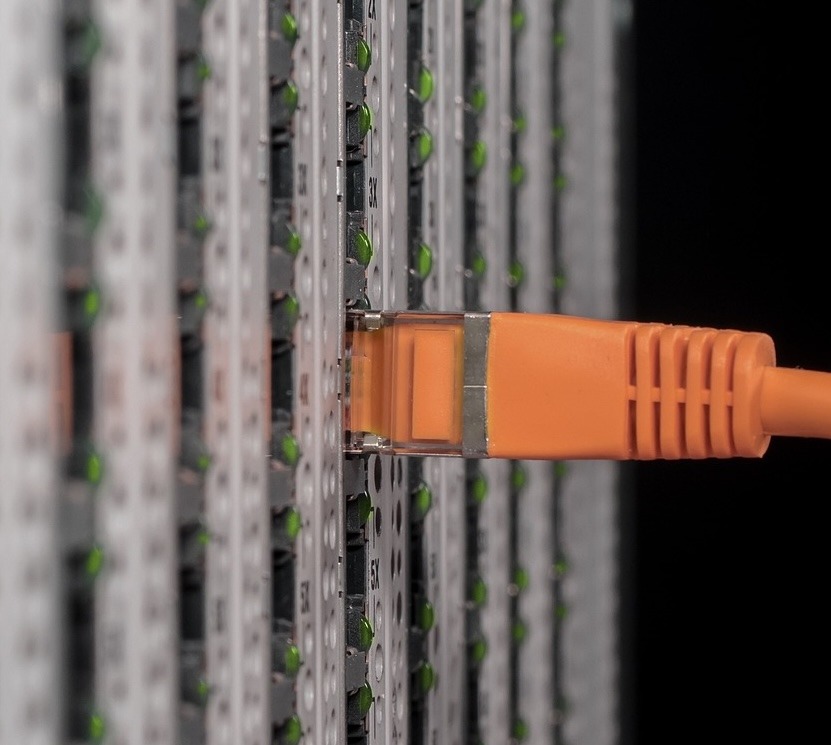
Proteja los ecosistemas digitales con capas de defensa avanzadas, monitorización de amenazas y mitigación de riesgos dirigida por expertos.
RaulWalter ha trabajado en docenas de proyectos técnicamente y organizativamente exigentes que han apoyado el desarrollo de soluciones de identidad nacional, mejorado la calidad de los datos, fortalecido la seguridad del sistema y dado forma a ecosistemas digitales en diferentes regiones del mundo.
RaulWalter se especializa en soluciones de identidad para aplicaciones tanto del sector público como del privado.
RaulWalter busca profesionales que valoren la precisión, la responsabilidad y las contribuciones significativas al desarrollo de soluciones digitales críticas.

Nos centramos en la calidad de los datos de los registros, los modelos de datos armonizados, la gestión del ciclo de vida, la resolución de duplicados, la implementación de identificadores únicos y el establecimiento de vínculos fiables entre los registros.
Hemos apoyado a los gobiernos tanto en la creación de nuevos registros como en la modernización de los existentes, incluidos los conjuntos de datos de población, propiedad, dirección, empresas, vehículos y otros sectores.
Nuestras soluciones garantizan una mayor fiabilidad, una mayor interoperabilidad y una base más sólida para los servicios electrónicos, la formulación de políticas basadas en pruebas y las futuras aplicaciones impulsadas por la IA.
Apoyamos a los gobiernos en la definición del propósito, el alcance y el rol autoritativo de los registros dentro del ecosistema nacional de datos. Esto incluye la correcta ubicación de los registros dentro del marco más amplio de gobernanza de datos, la clarificación de los mandatos legales y la definición de la propiedad, la custodia y la rendición de cuentas. El resultado es un registro claramente autoritativo, confiable y adecuado para un uso a largo plazo.
Diseñamos y alineamos los modelos de datos de los registros para garantizar la coherencia entre sectores y sistemas. Esto incluye la armonización de atributos clave, datos de referencia, listas de códigos y clasificaciones, de modo que los registros puedan interoperar sin transformaciones ad hoc. Los modelos se diseñan para ser estables, extensibles y adecuados para servicios digitales a largo plazo.
Definimos e implementamos reglas de ciclo de vida que regulan cómo se crean, actualizan, conservan, archivan y retiran los datos de los registros. Esto incluye actualizaciones basadas en eventos, mecanismos de control de cambios y procesos de mantenimiento que mantienen los registros precisos a lo largo del tiempo. La gestión del ciclo de vida garantiza que los registros sigan siendo autoritativos a medida que cambian las condiciones del mundo real.
Abordamos uno de los puntos de fallo más comunes de los registros: la identidad fragmentada y la duplicación. Esto incluye la identificación y resolución de registros duplicados, la implementación de identificadores únicos cuando no existen y la estabilización del uso de identificadores cuando su calidad es deficiente. La lógica de vinculación se diseña para ser auditable, resiliente y utilizable entre distintos sistemas.
Establecemos vinculaciones fiables entre registros para permitir el intercambio seguro de datos y servicios integrados. Esto incluye la definición de claves de vinculación, la semántica de intercambio y las reglas de interoperabilidad que permiten que los registros funcionen como un conjunto coherente. El resultado es una base para los servicios electrónicos, la analítica y futuros casos de uso impulsados por IA.
Para ofrecer las mejores experiencias, utilizamos tecnologías como las cookies para almacenar y/o acceder a la información del dispositivo. El consentimiento a estas tecnologías nos permitirá procesar datos como el comportamiento de navegación o las identificaciones únicas en este sitio. No consentir o retirar el consentimiento, puede afectar negativamente a ciertas características y funciones.
RaulWalter – Trusted Digital Infrastructure
We firmly believe that the internet should be available and accessible to anyone, and are committed to providing a website that is accessible to the widest possible audience, regardless of circumstance and ability.
To fulfill this, we aim to adhere as strictly as possible to the World Wide Web Consortium’s (W3C) Web Content Accessibility Guidelines 2.1 (WCAG 2.1) at the AA level. These guidelines explain how to make web content accessible to people with a wide array of disabilities. Complying with those guidelines helps us ensure that the website is accessible to all people: blind people, people with motor impairments, visual impairment, cognitive disabilities, and more.
This website utilizes various technologies that are meant to make it as accessible as possible at all times. We utilize an accessibility interface that allows persons with specific disabilities to adjust the website’s UI (user interface) and design it to their personal needs.
Additionally, the website utilizes an AI-based application that runs in the background and optimizes its accessibility level constantly. This application remediates the website’s HTML, adapts Its functionality and behavior for screen-readers used by the blind users, and for keyboard functions used by individuals with motor impairments.
If you’ve found a malfunction or have ideas for improvement, we’ll be happy to hear from you. You can reach out to the website’s operators by using the following email
Our website implements the ARIA attributes (Accessible Rich Internet Applications) technique, alongside various different behavioral changes, to ensure blind users visiting with screen-readers are able to read, comprehend, and enjoy the website’s functions. As soon as a user with a screen-reader enters your site, they immediately receive a prompt to enter the Screen-Reader Profile so they can browse and operate your site effectively. Here’s how our website covers some of the most important screen-reader requirements, alongside console screenshots of code examples:
Screen-reader optimization: we run a background process that learns the website’s components from top to bottom, to ensure ongoing compliance even when updating the website. In this process, we provide screen-readers with meaningful data using the ARIA set of attributes. For example, we provide accurate form labels; descriptions for actionable icons (social media icons, search icons, cart icons, etc.); validation guidance for form inputs; element roles such as buttons, menus, modal dialogues (popups), and others. Additionally, the background process scans all the website’s images and provides an accurate and meaningful image-object-recognition-based description as an ALT (alternate text) tag for images that are not described. It will also extract texts that are embedded within the image, using an OCR (optical character recognition) technology. To turn on screen-reader adjustments at any time, users need only to press the Alt+1 keyboard combination. Screen-reader users also get automatic announcements to turn the Screen-reader mode on as soon as they enter the website.
These adjustments are compatible with all popular screen readers, including JAWS and NVDA.
Keyboard navigation optimization: The background process also adjusts the website’s HTML, and adds various behaviors using JavaScript code to make the website operable by the keyboard. This includes the ability to navigate the website using the Tab and Shift+Tab keys, operate dropdowns with the arrow keys, close them with Esc, trigger buttons and links using the Enter key, navigate between radio and checkbox elements using the arrow keys, and fill them in with the Spacebar or Enter key.Additionally, keyboard users will find quick-navigation and content-skip menus, available at any time by clicking Alt+1, or as the first elements of the site while navigating with the keyboard. The background process also handles triggered popups by moving the keyboard focus towards them as soon as they appear, and not allow the focus drift outside it.
Users can also use shortcuts such as “M” (menus), “H” (headings), “F” (forms), “B” (buttons), and “G” (graphics) to jump to specific elements.
We aim to support the widest array of browsers and assistive technologies as possible, so our users can choose the best fitting tools for them, with as few limitations as possible. Therefore, we have worked very hard to be able to support all major systems that comprise over 95% of the user market share including Google Chrome, Mozilla Firefox, Apple Safari, Opera and Microsoft Edge, JAWS and NVDA (screen readers).
Despite our very best efforts to allow anybody to adjust the website to their needs. There may still be pages or sections that are not fully accessible, are in the process of becoming accessible, or are lacking an adequate technological solution to make them accessible. Still, we are continually improving our accessibility, adding, updating and improving its options and features, and developing and adopting new technologies. All this is meant to reach the optimal level of accessibility, following technological advancements. For any assistance, please reach out to